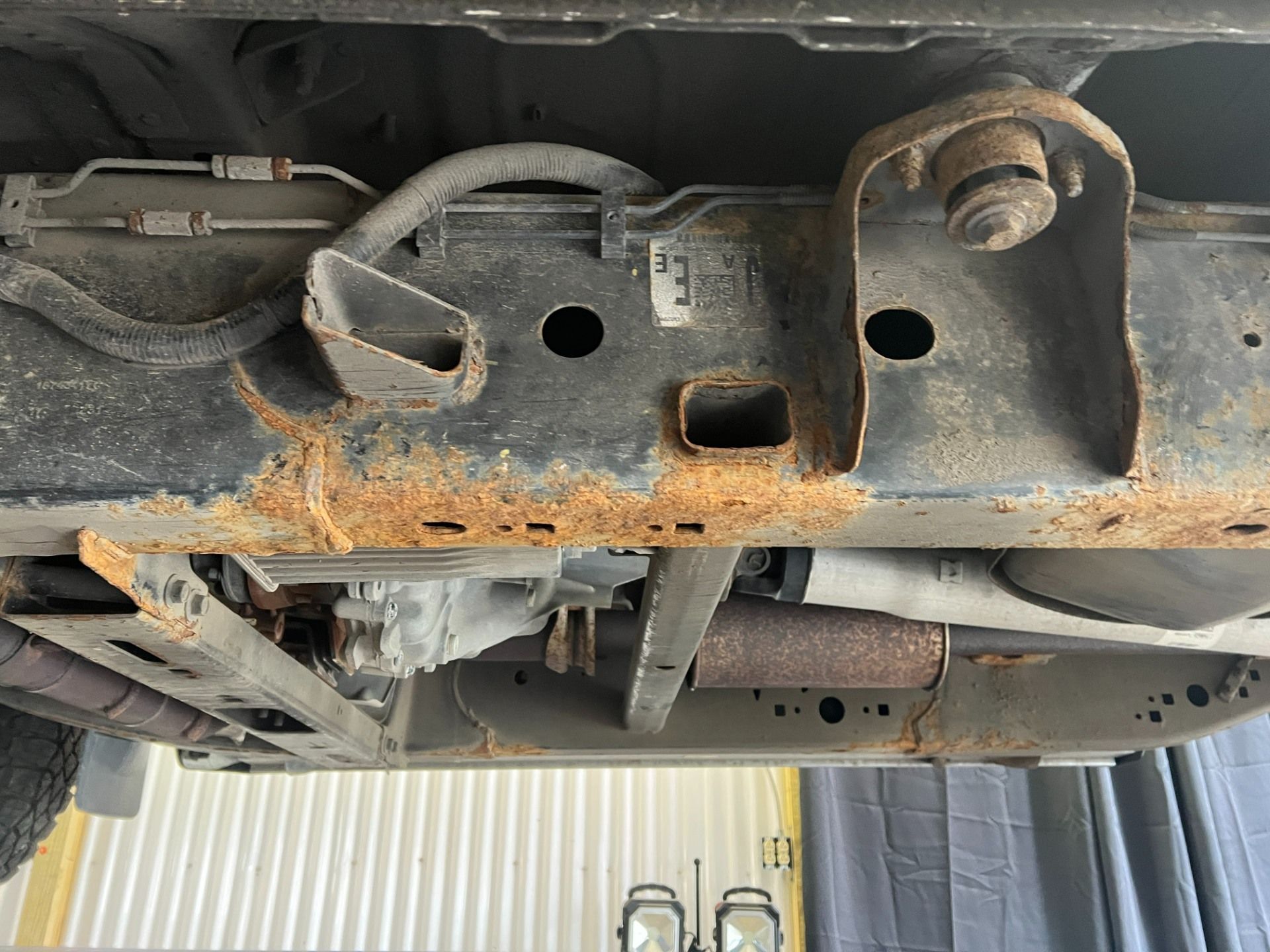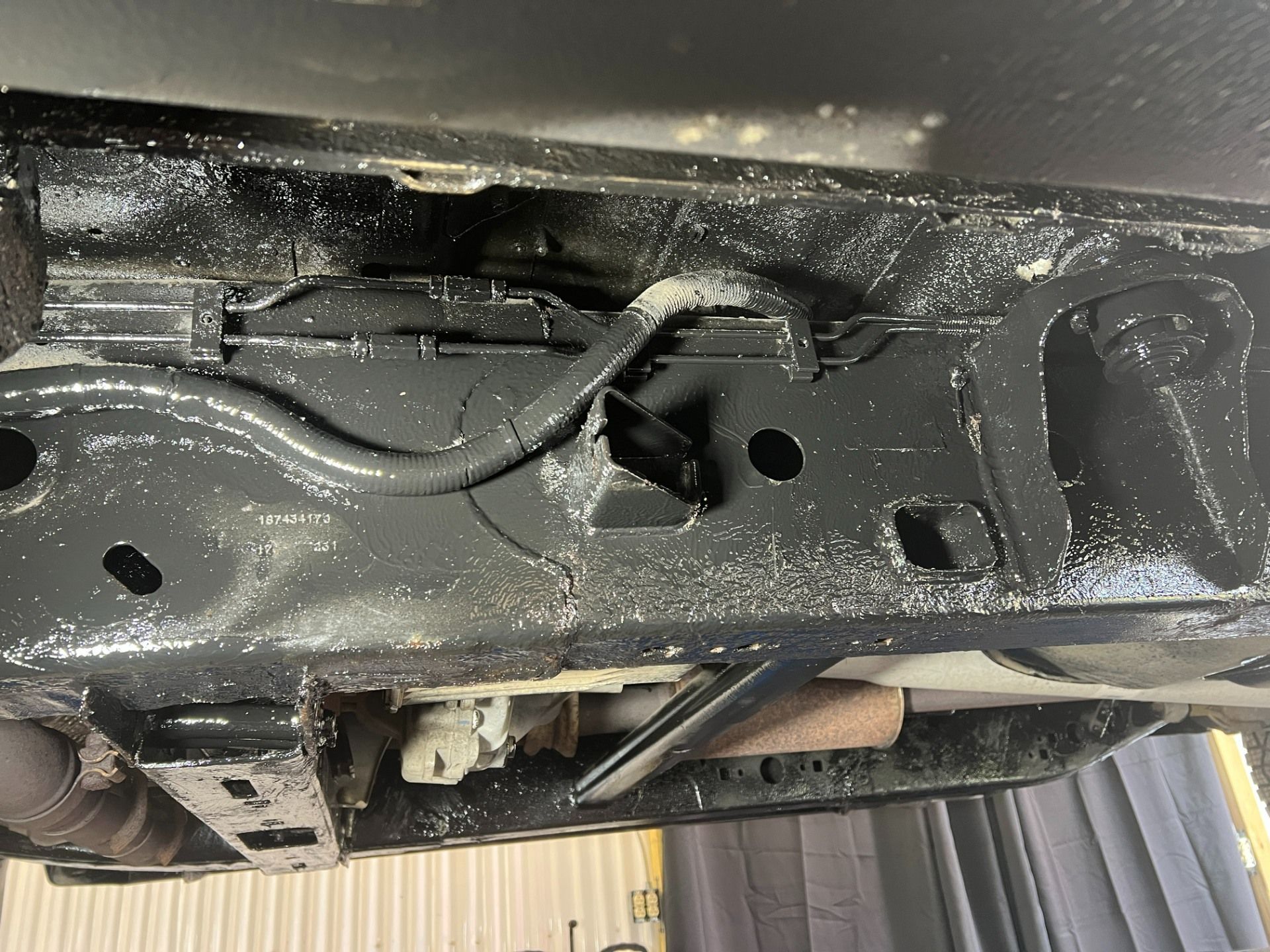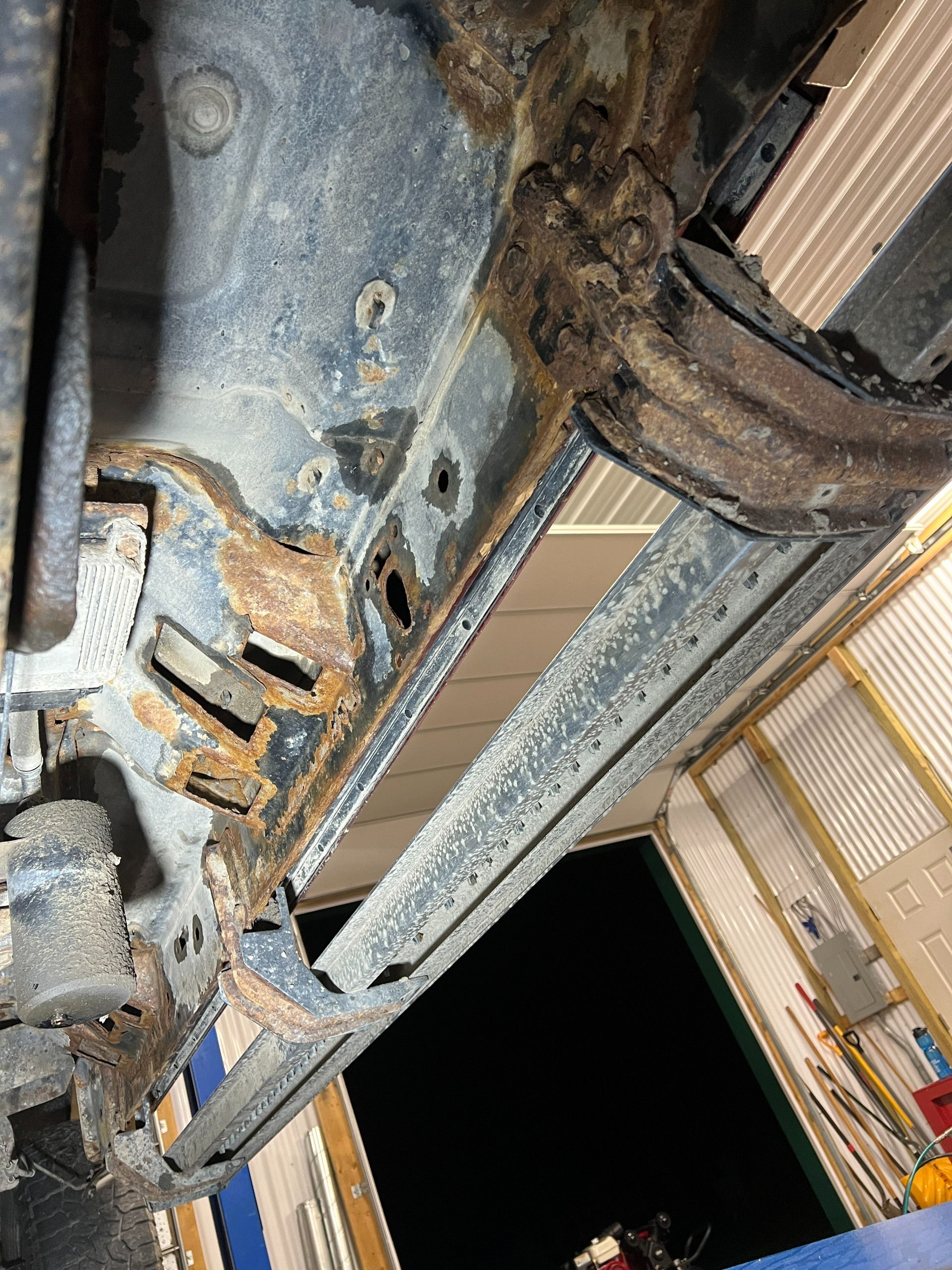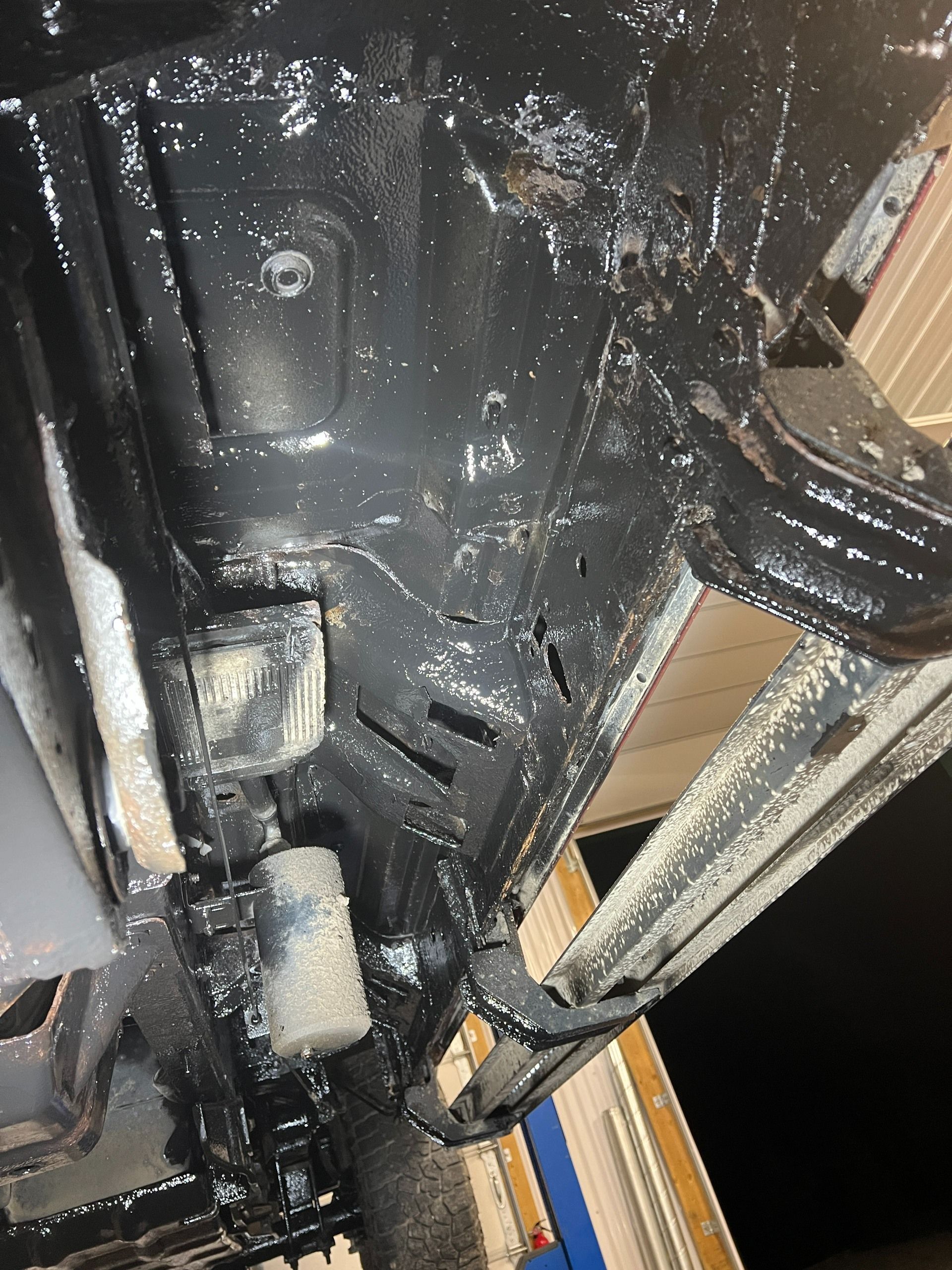
Protect Hidden Areas Where Rust Starts Unseen
Vehicle Cavity Rust Protection in New Milford for doors, rocker panels, tailgates, and internal body cavities where moisture collects
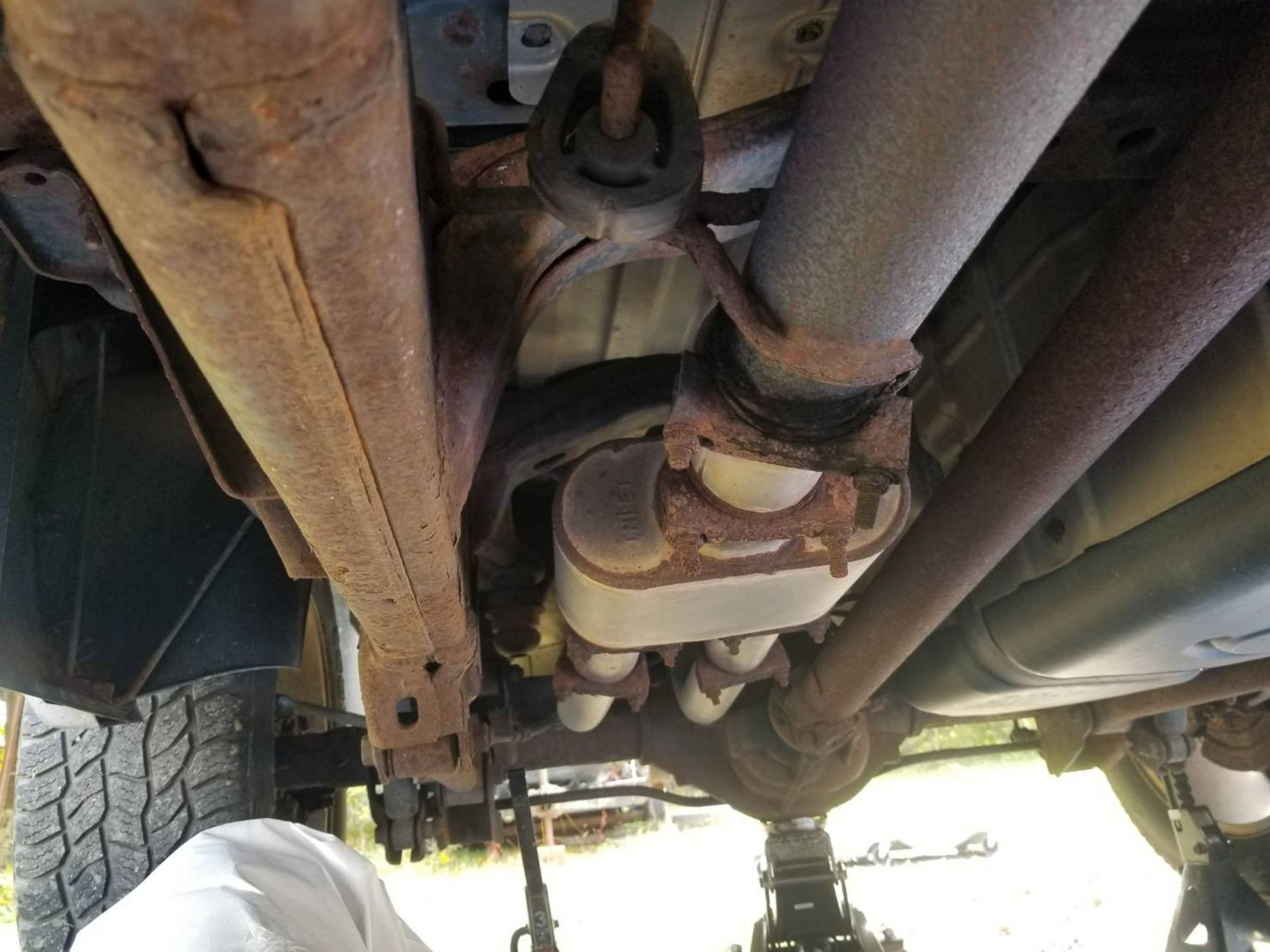
NEPA Undercoating applies vehicle cavity rust protection using a fogging process that coats internal metal surfaces inside doors, rocker panels, tailgates, and other hidden body cavities where moisture collects and rust begins unseen. You may not notice rust forming inside these areas until it breaks through to the outside, but by then the damage is often extensive. Cavity protection reaches spaces that external coatings cannot, creating a barrier that prevents corrosion from starting in the first place.
Rust often begins inside enclosed body panels where water enters through seams, drain holes, or gaps around door hinges and trim. Once moisture is trapped inside a cavity, it evaporates slowly and creates a humid environment that accelerates oxidation. Rocker panels, door skins, tailgates, and bed rails are especially vulnerable because they have multiple layers of metal with small gaps between them. Cavity rust protection uses a thin, penetrating oil that is sprayed or fogged into these spaces through existing access holes, coating every internal surface and displacing moisture that would otherwise cause rust.
Schedule cavity rust protection in New Milford to treat areas that external coatings cannot reach and prevent hidden corrosion before it spreads.
How Cavity Fogging Complements Underbody Protection
The fogging process involves inserting a thin applicator nozzle into existing access holes or drain openings in body panels. The team sprays a rust-preventive oil that disperses as a fine mist, coating every internal surface including seams, spot welds, and hidden metal layers. The oil flows into tight spaces, adheres to metal, and displaces any moisture present. This creates a protective layer that resists corrosion and prevents new rust from forming inside enclosed areas.
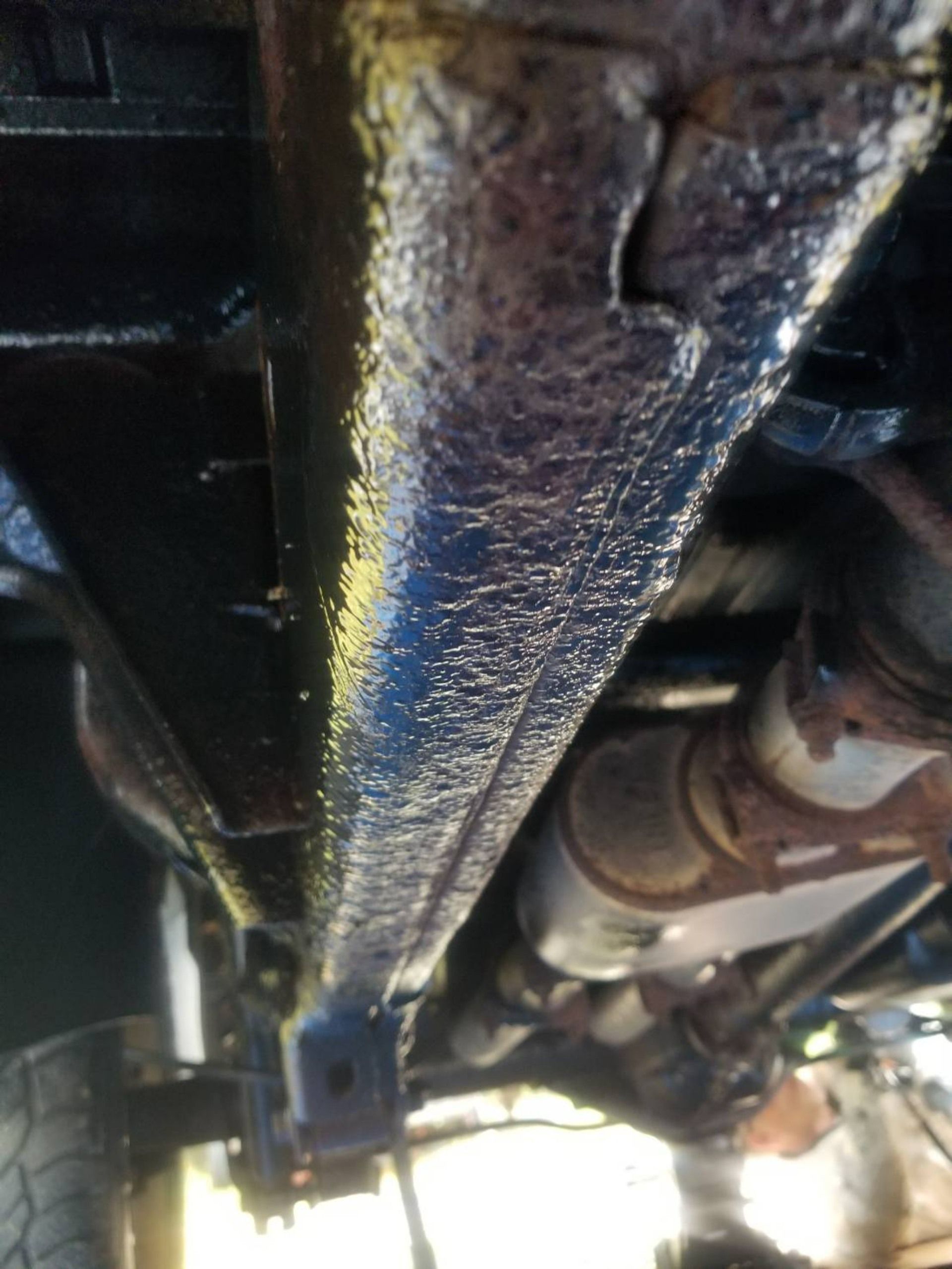
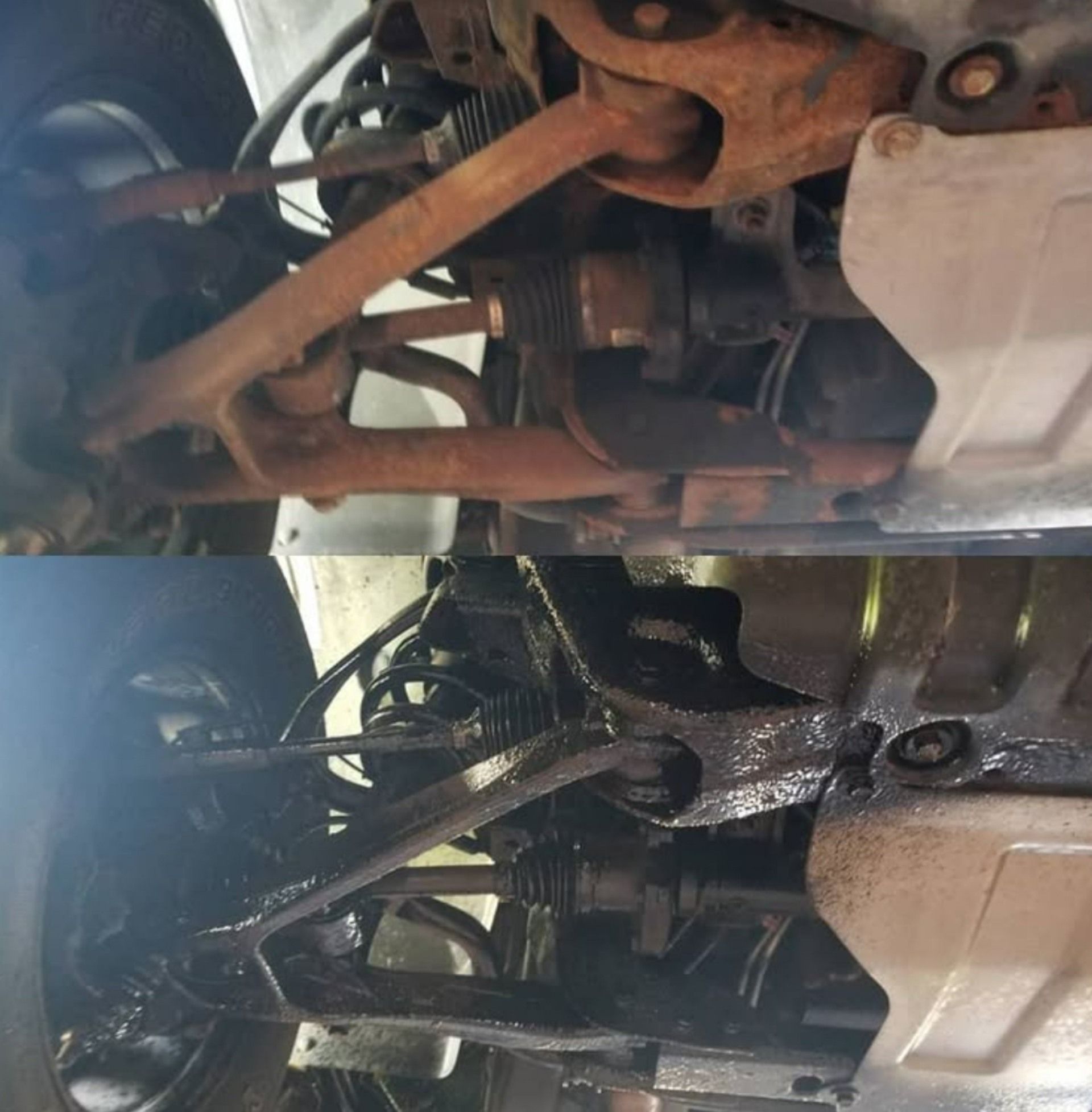
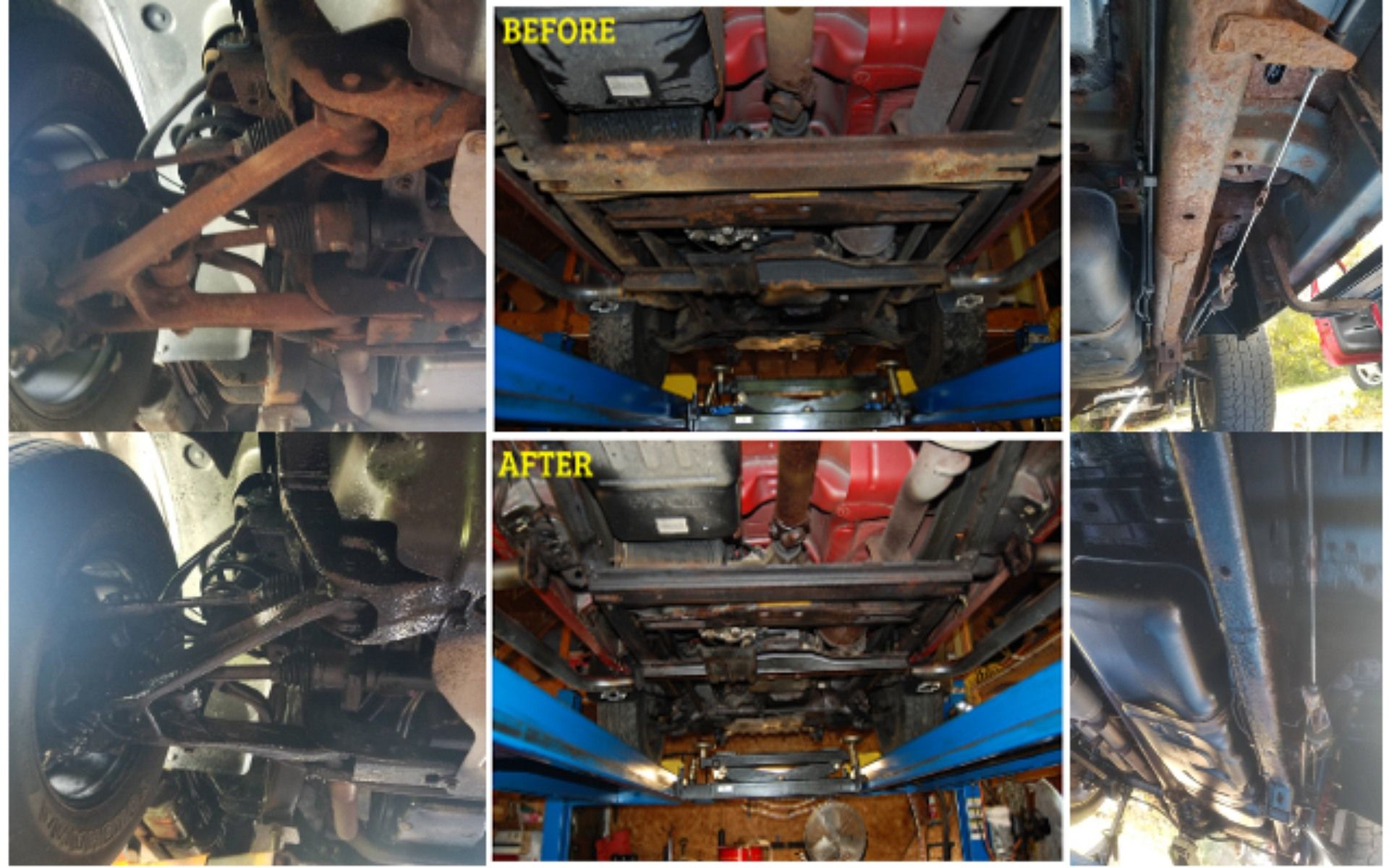
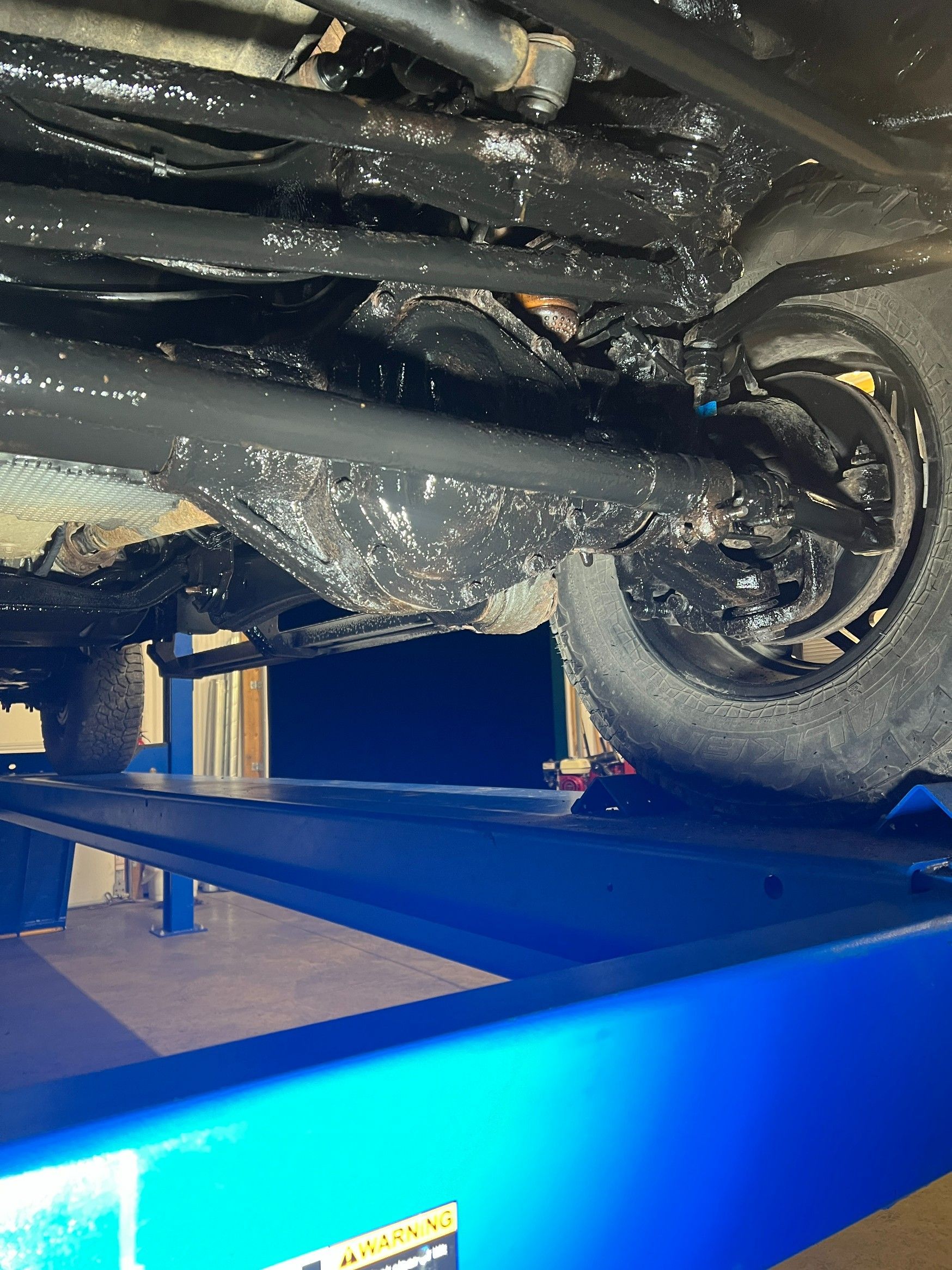
After treatment, the internal cavities of your doors, rocker panels, and tailgate are sealed with a thin film of protective oil. You will not see the coating because it is hidden inside the panels, but it continues to work by blocking moisture and preventing oxidation. NEPA Undercoating treats both new and older vehicles, and cavity protection works alongside underbody treatments to provide comprehensive rust prevention. While underbody coatings protect external metal, cavity fogging protects the hidden areas where rust often begins and spreads unnoticed.
Cavity rust protection is especially important for vehicles that will be kept for several years or driven regularly in winter conditions. The treatment improves vehicle durability, reduces the likelihood of rust-through on body panels, and helps maintain resale value. The oil used in the fogging process is designed to creep into seams and remain active over time, continuing to displace moisture as temperature and humidity change throughout the year.
What You Should Know About Cavity Protection
Understanding how cavity rust protection works and why it is necessary helps you protect your vehicle from hidden damage that starts out of sight.
Why does rust form inside doors and rocker panels?
Moisture enters through seams, drain holes, and gaps around hinges, then becomes trapped inside enclosed panels where it evaporates slowly and creates a humid environment that accelerates corrosion.
How is the rust-preventive oil applied inside body cavities?
The oil is sprayed or fogged through existing access holes using a thin nozzle, dispersing as a fine mist that coats all internal surfaces including seams and hidden metal layers.
What vehicles benefit most from cavity rust protection?
Trucks, SUVs, and vehicles driven regularly in winter conditions in New Milford benefit most, especially models with known rust problems in doors, rocker panels, or bed rails.
How often should cavity rust protection be reapplied?
Reapplication every few years helps maintain protection as the oil gradually thins or drains from cavities, though the coating lasts longer than external underbody treatments due to less exposure to road debris.
Can cavity protection stop rust that has already started inside a panel?
The treatment can slow the spread of minor surface rust inside cavities, but it works best when applied before corrosion begins and cannot reverse structural damage once metal has rusted through.
NEPA Undercoating treats vehicles throughout the region, providing cavity rust protection that complements underbody coatings and prevents hidden corrosion from spreading. Contact the team in New Milford to schedule cavity fogging and protect your vehicle from rust damage that starts where you cannot see it.
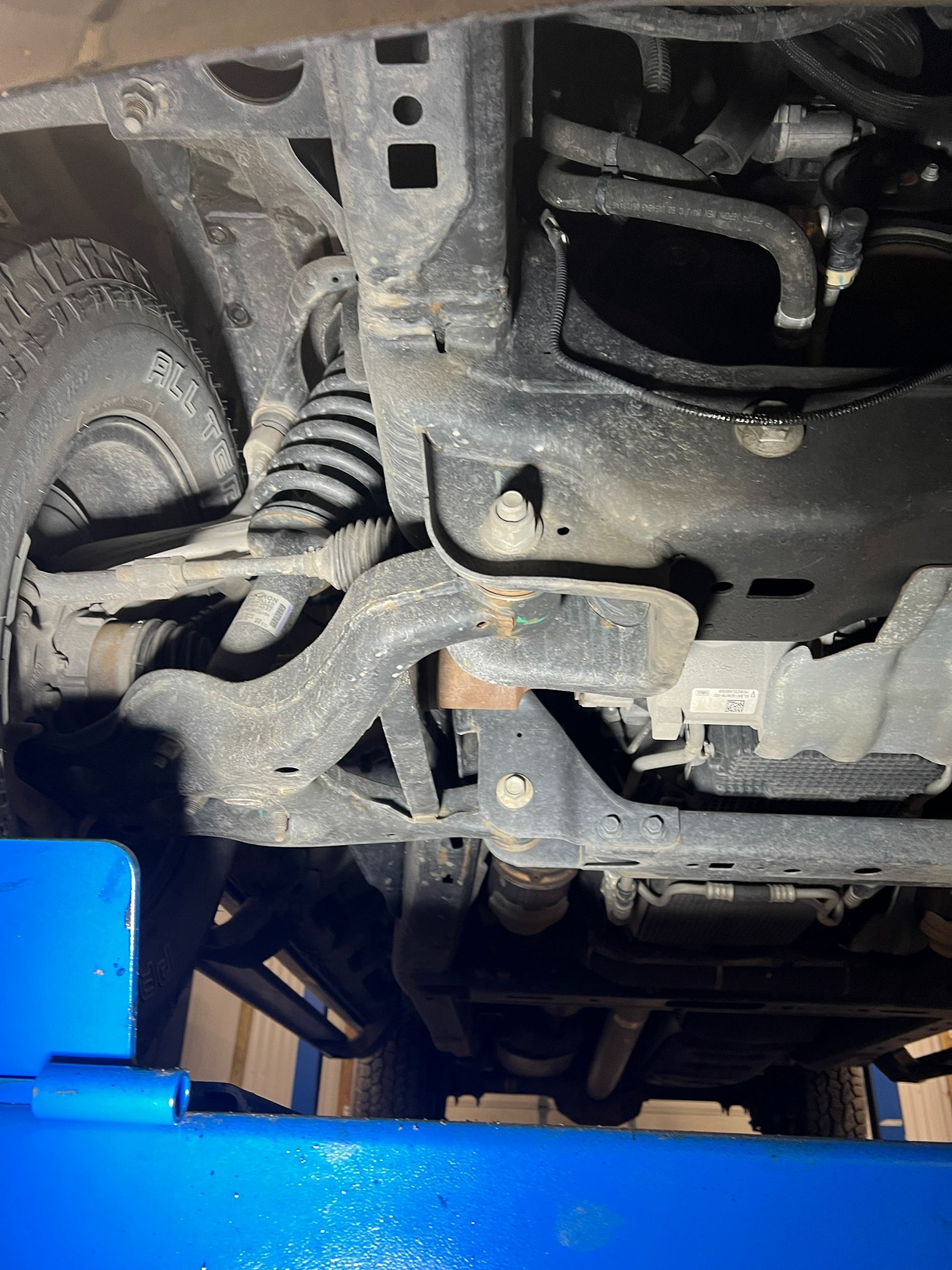
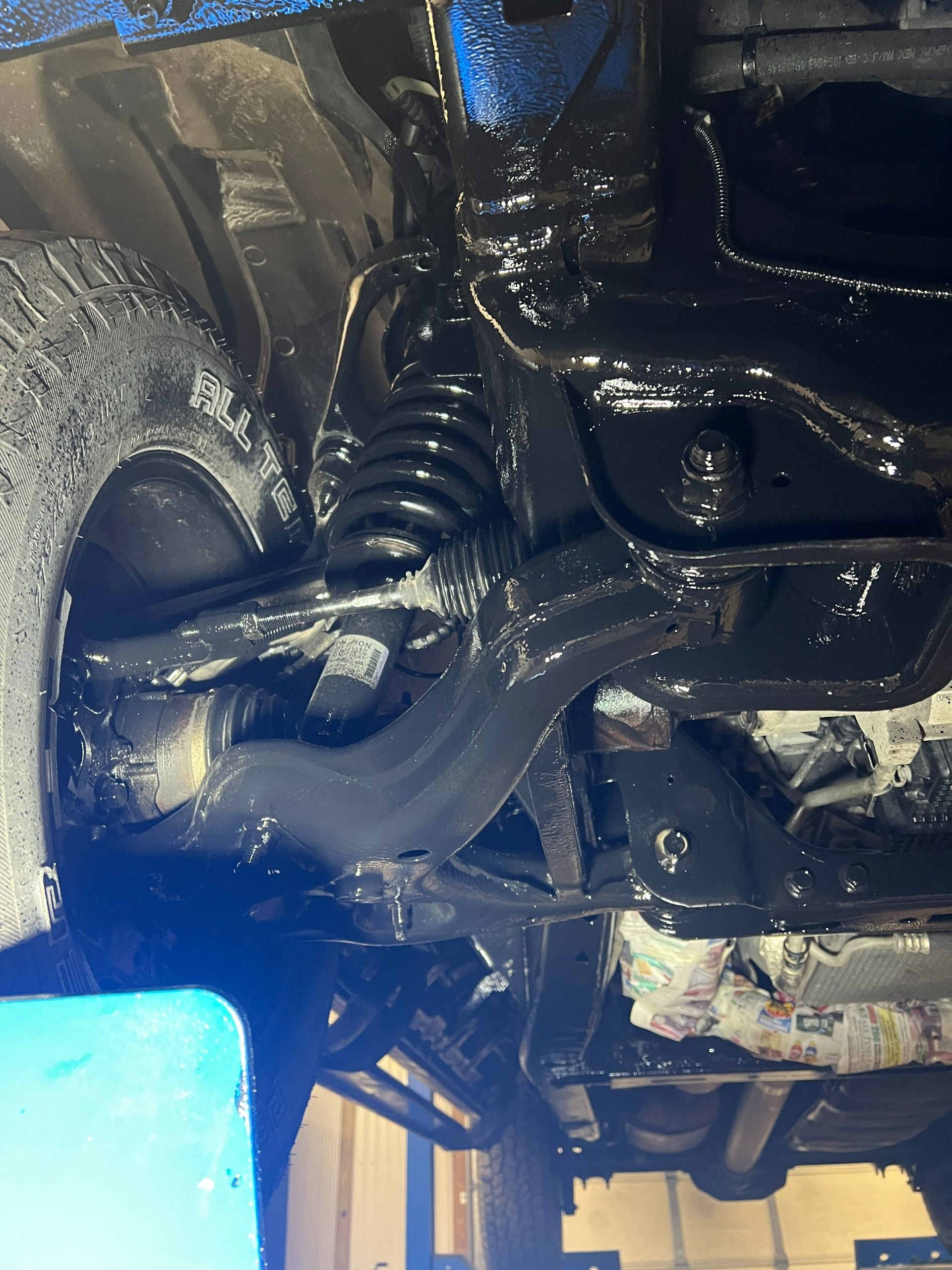
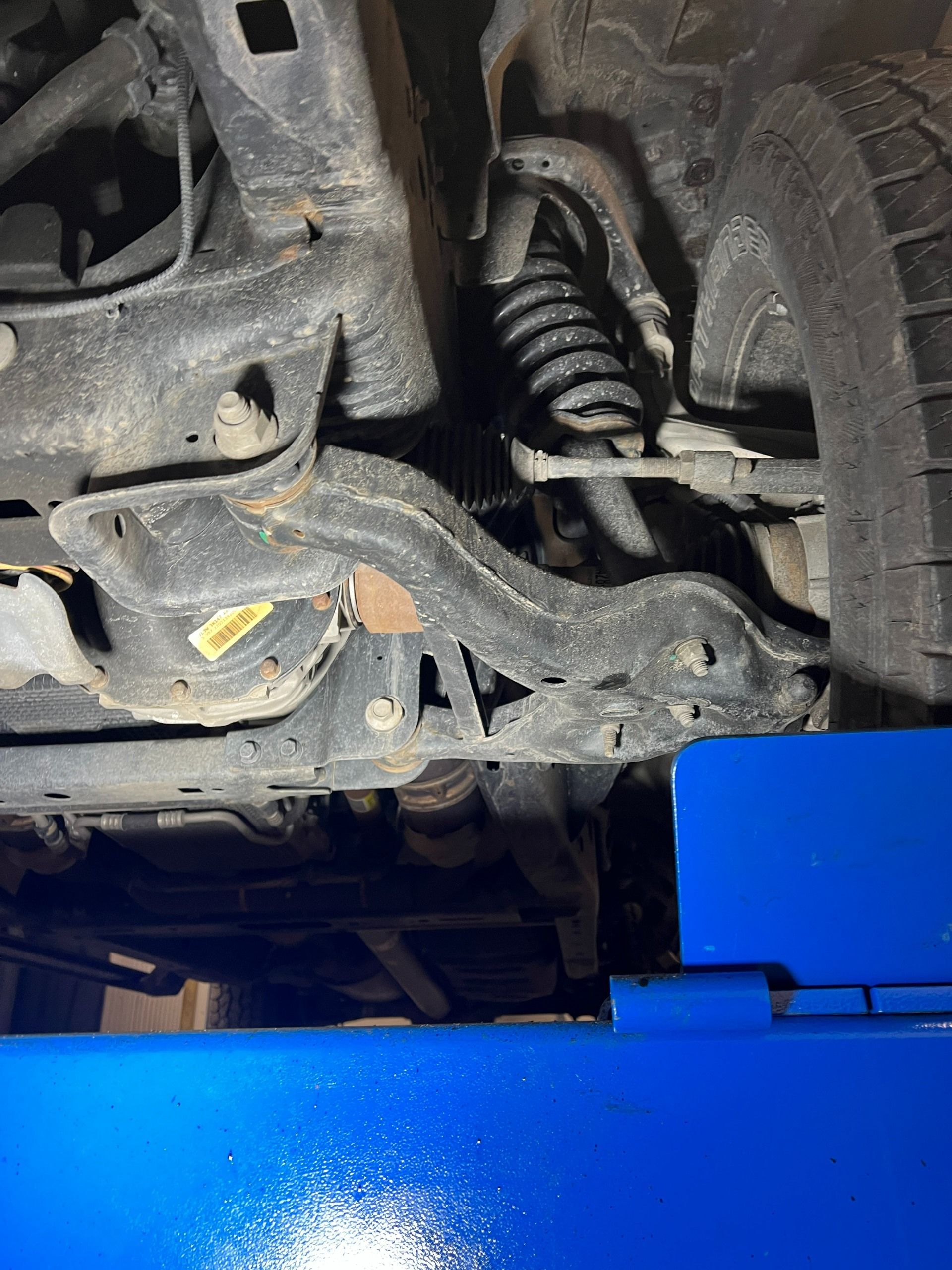
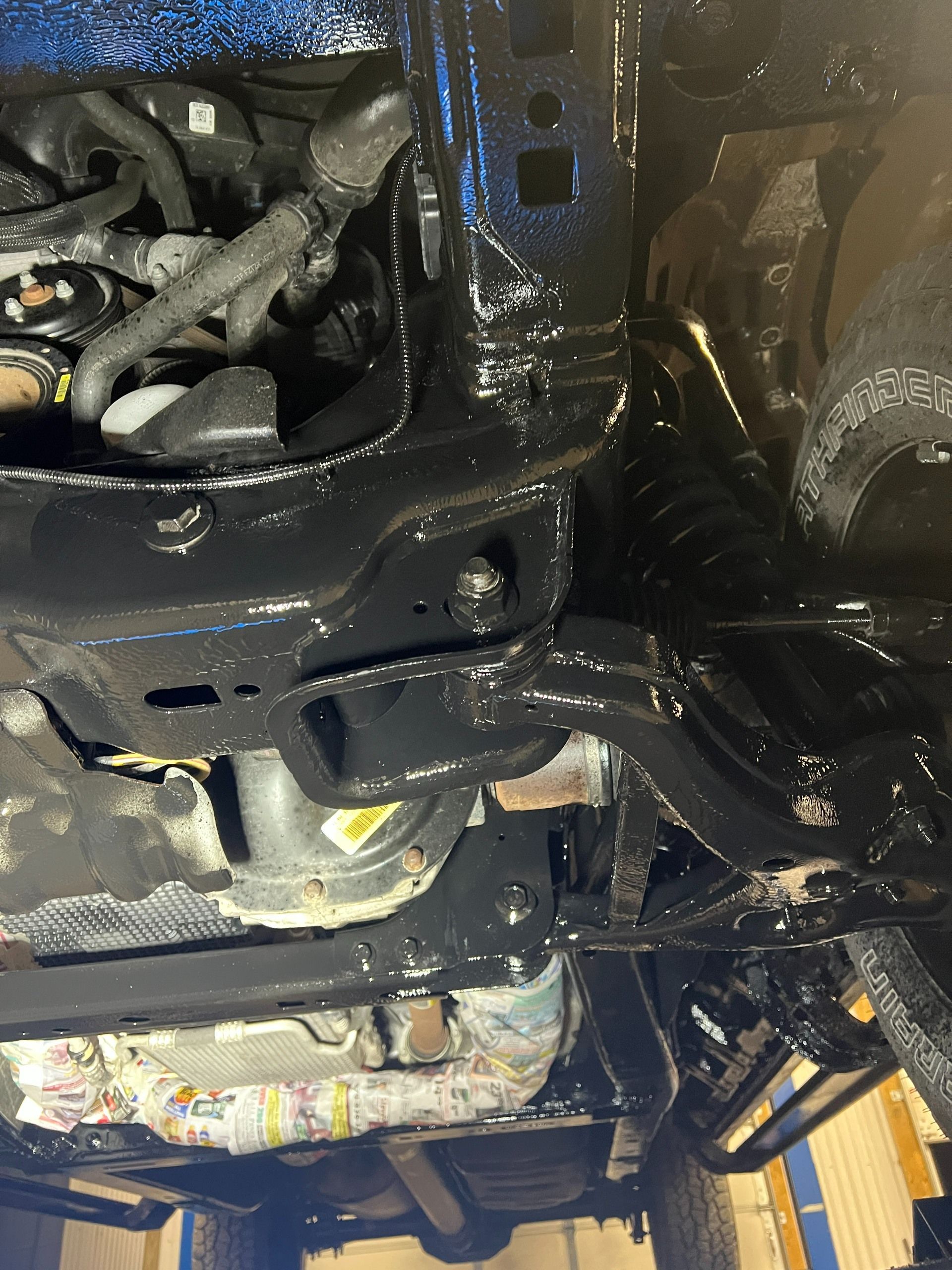
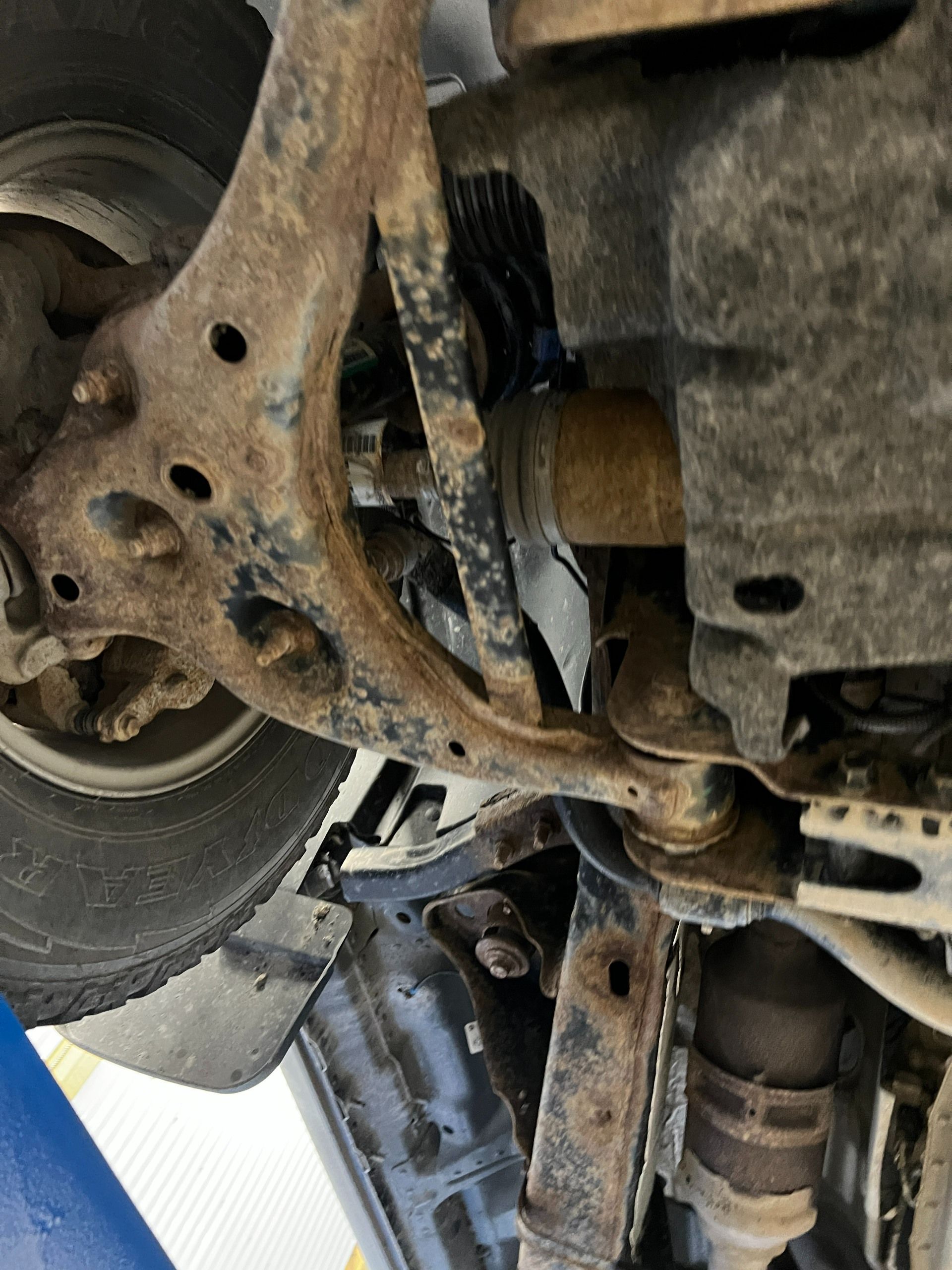
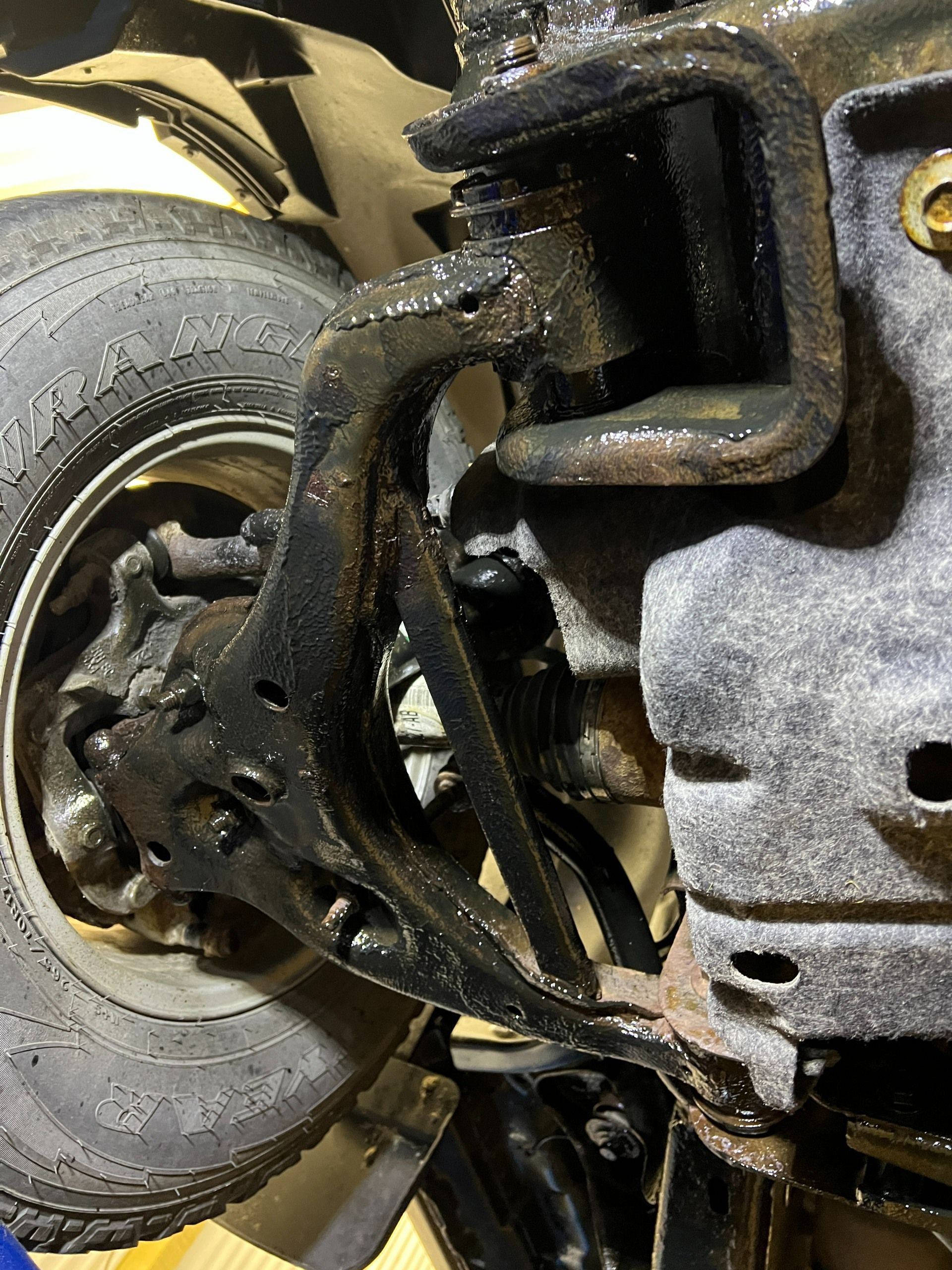
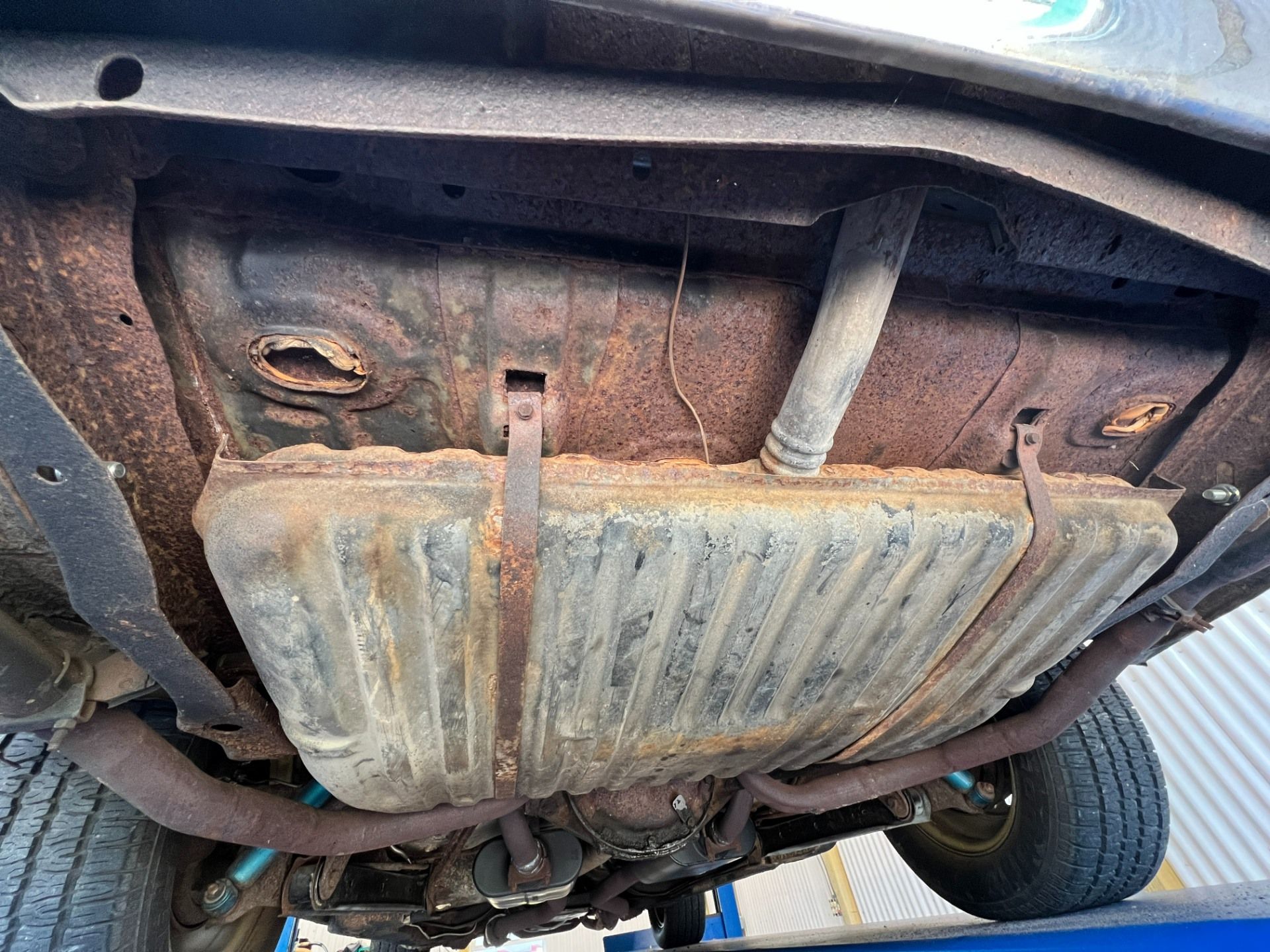
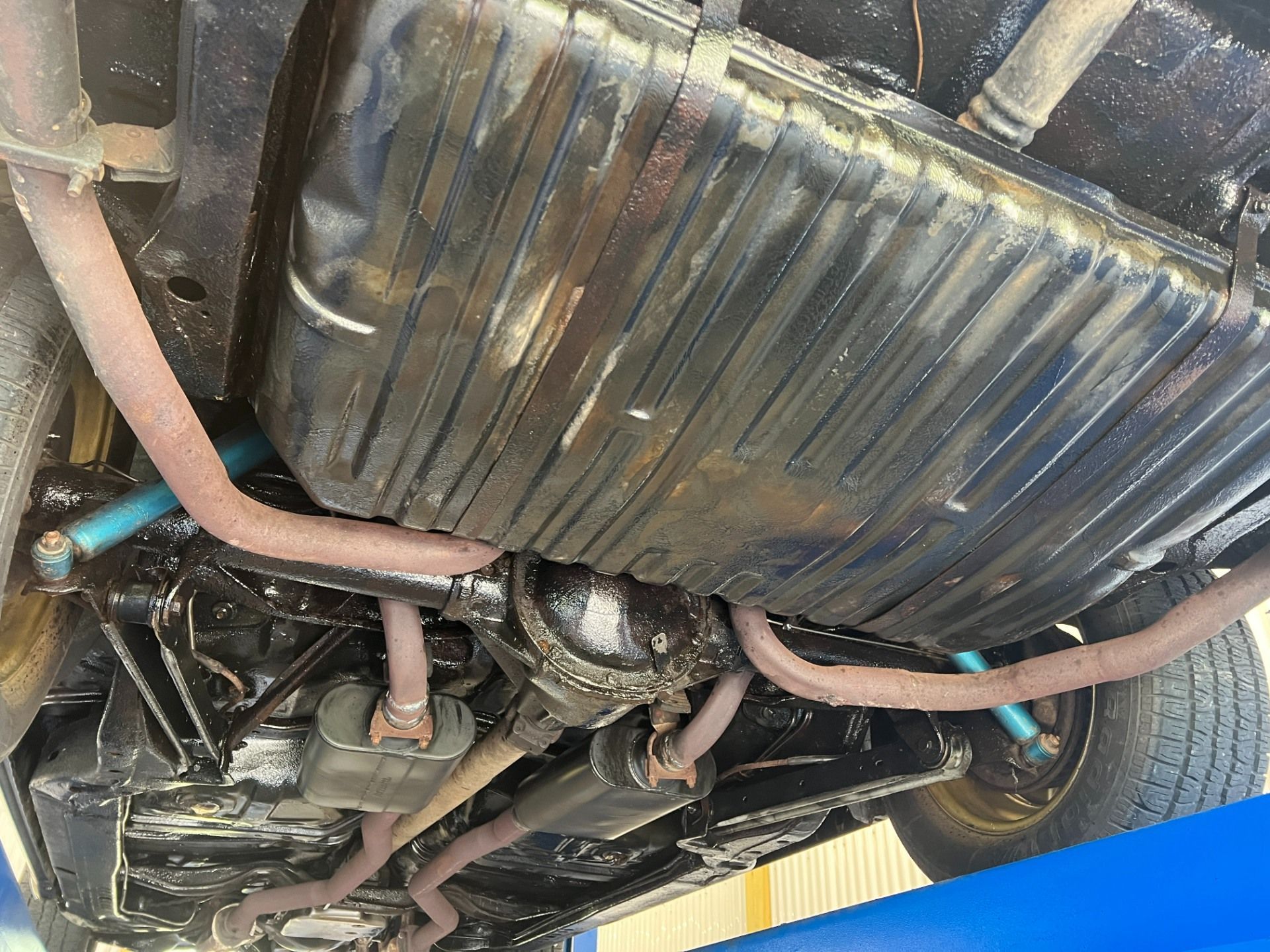
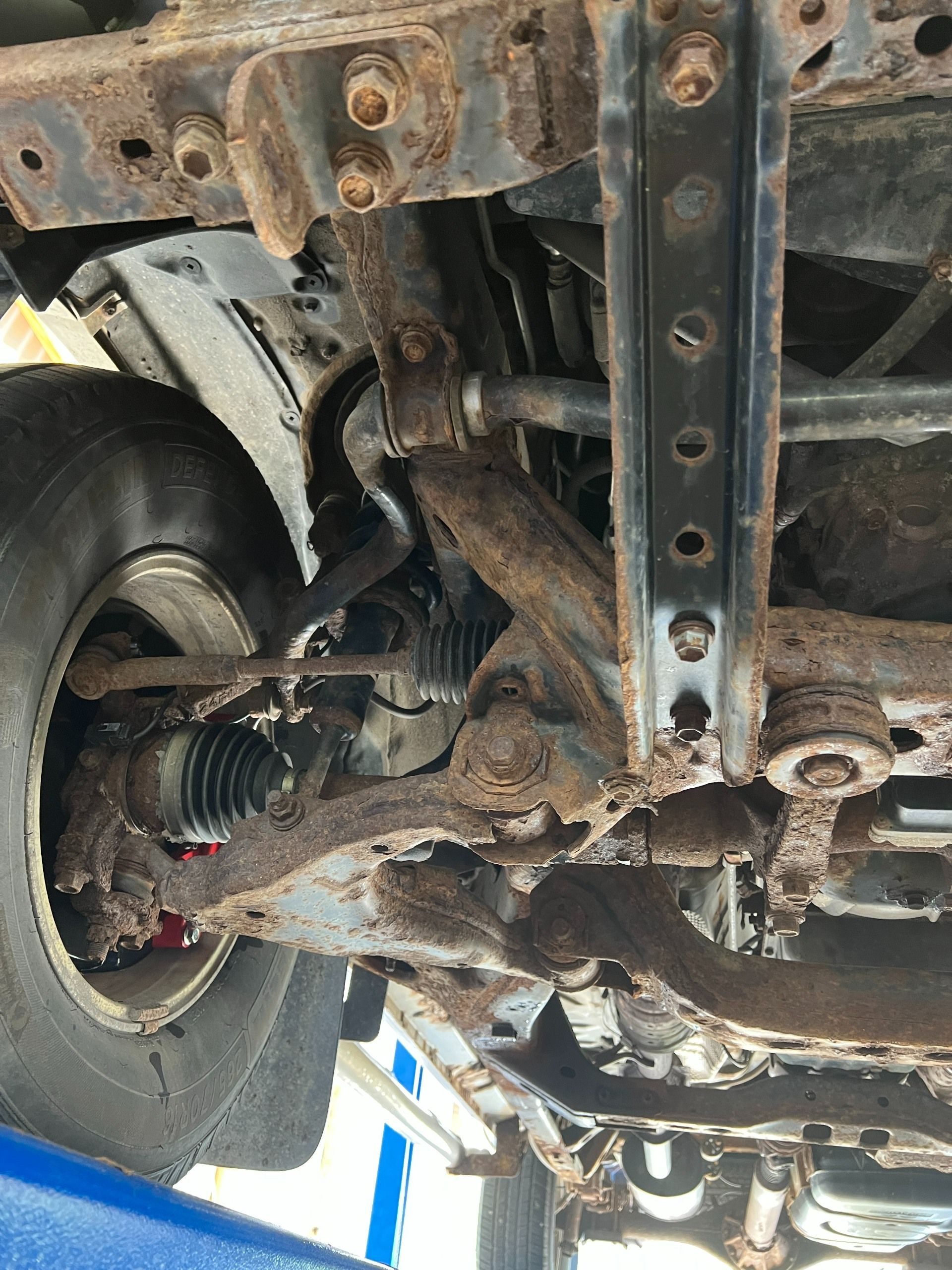
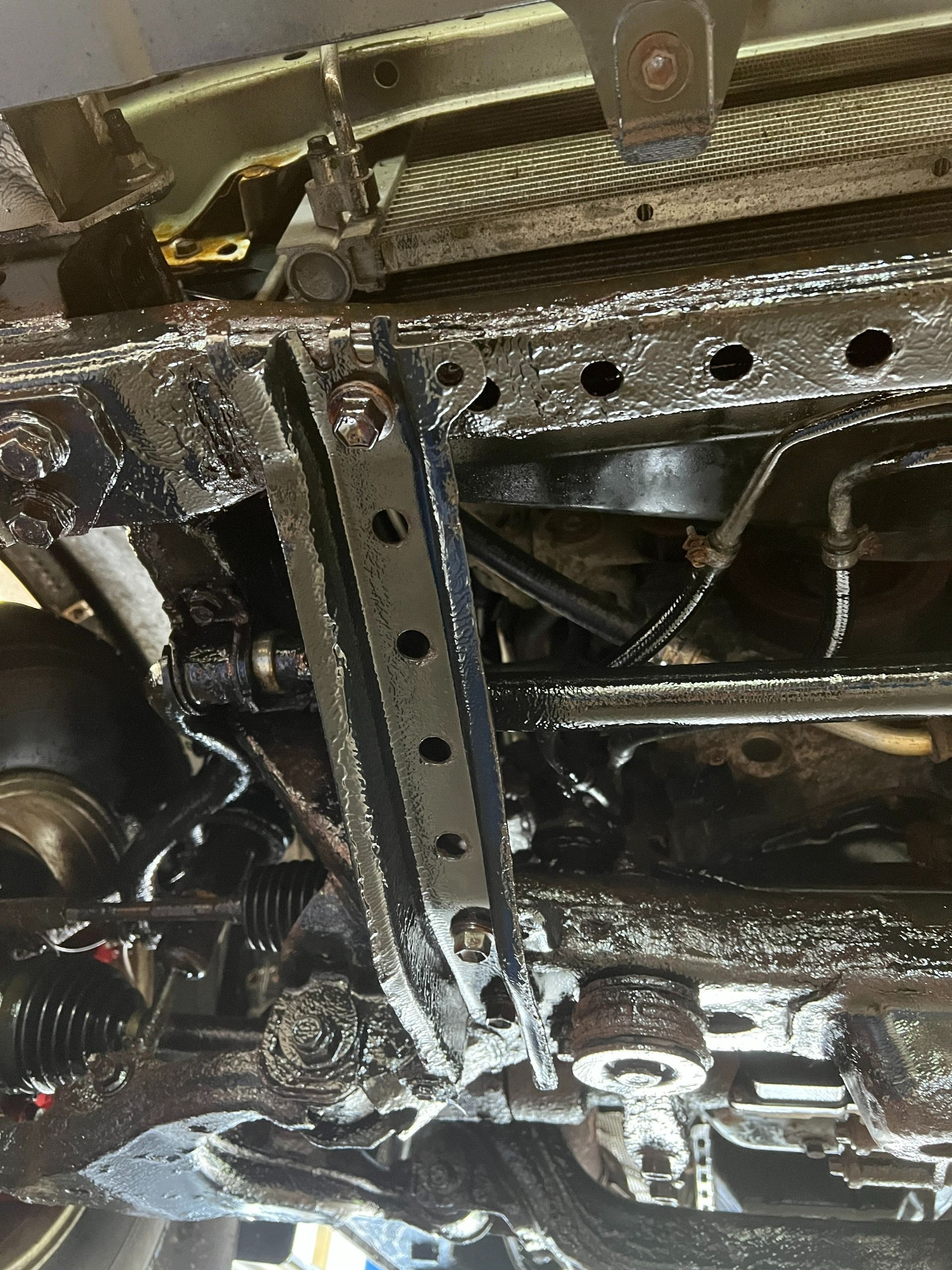
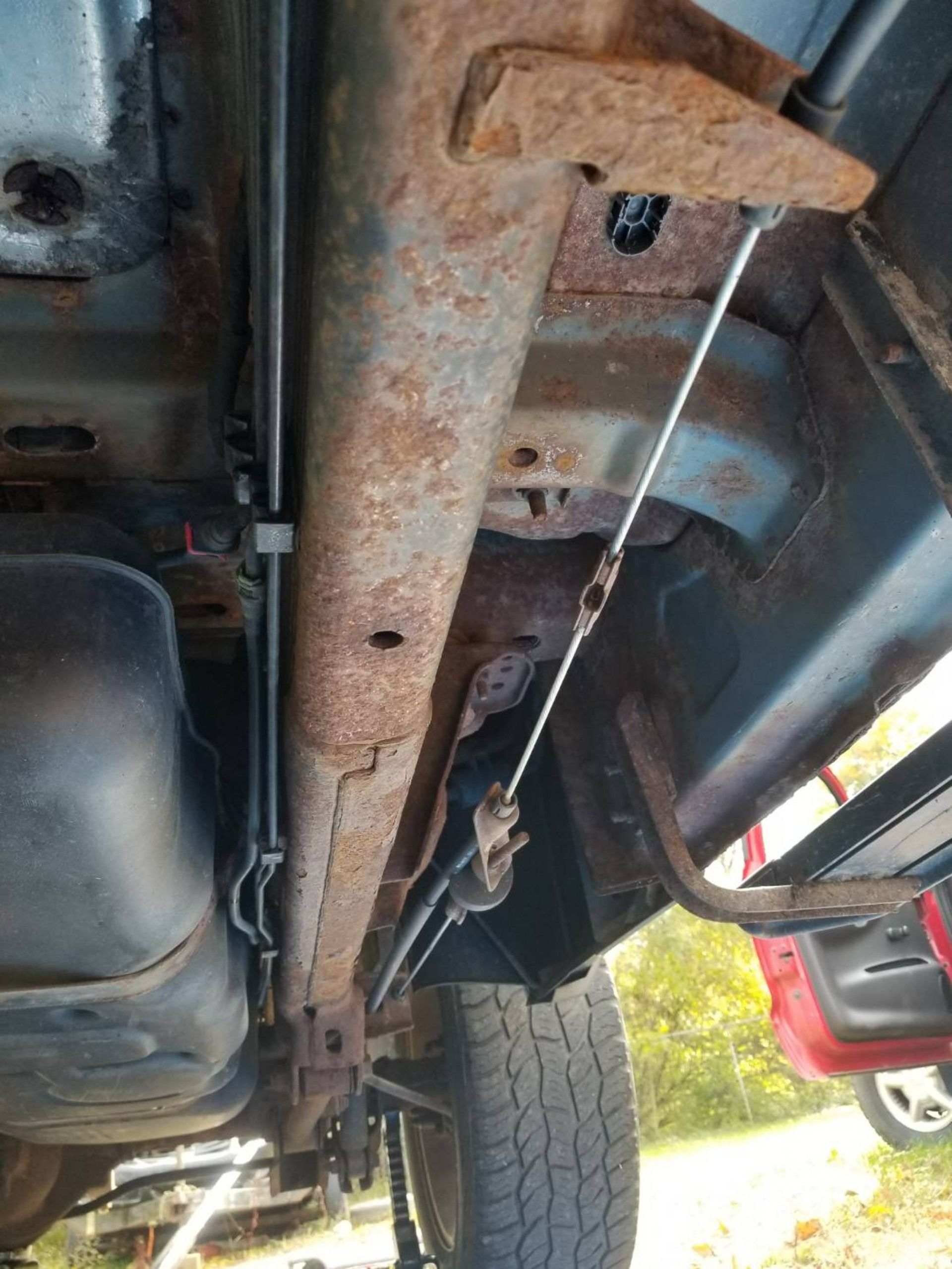
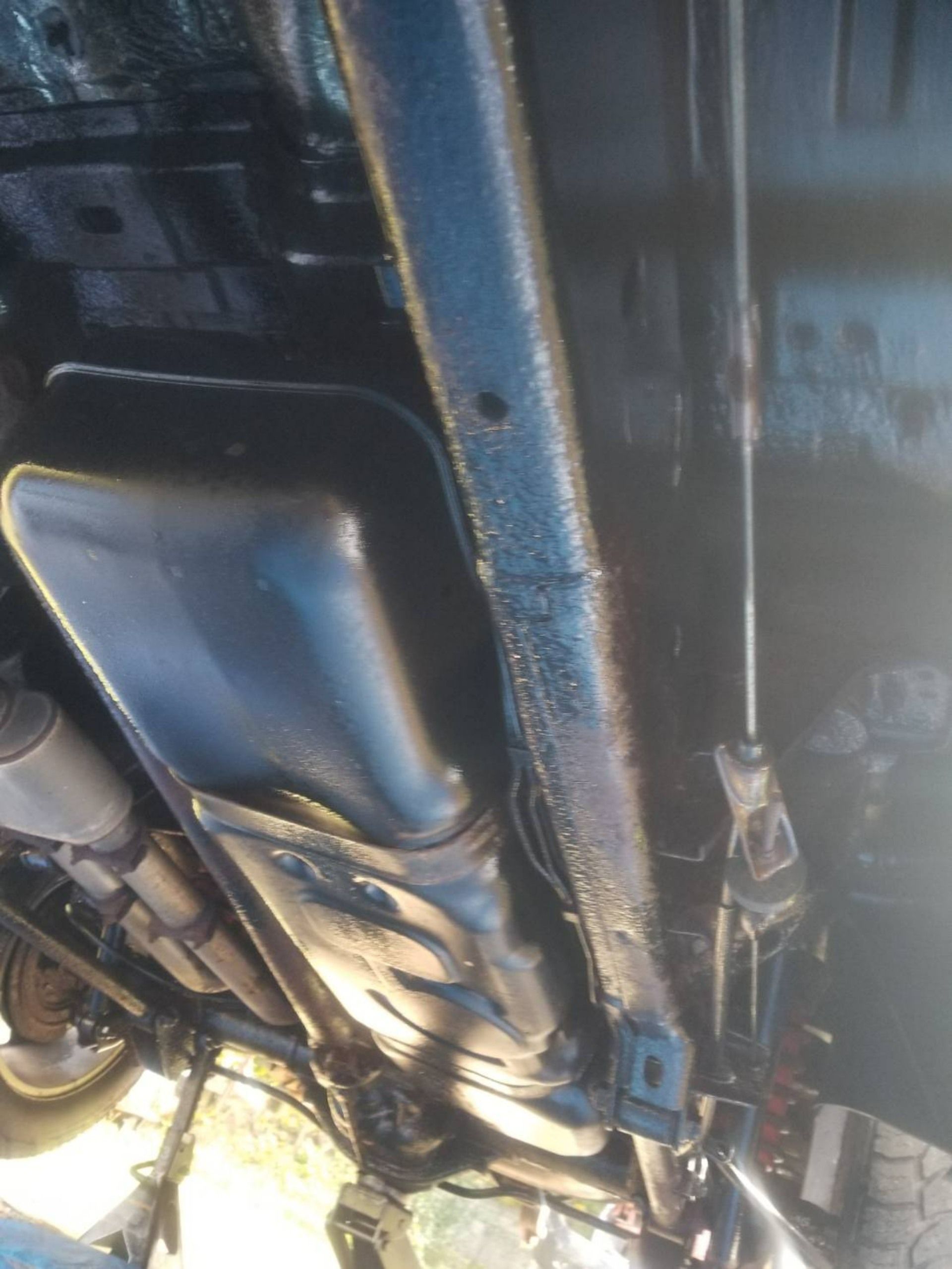
Before and After Images